

Alcohol Addiction Treatment & Rehab in New Hampshire
Mountain View Retreat provides evidence-based treatment programs for alcohol use disorder. Our programs combine compassionate therapy treatments with valuable education to help men and women build healthy coping mechanisms and achieve long-term recovery. No matter where you are in your journey, our team is here to help. While our addiction treatment facility provides PHP (partial hospitalization programs) and IOP (intensive outpatient programs), we also work alongside other facilities and can help you get the help you need if you need medically supervised detox. Our goal here at Mountain View Retreat is to support people and their families throughout every stage of the recovery process.
Start with a Conversation
You do not need to have everything figured out before reaching out. Whether you are looking for treatment for yourself or someone you care about, our admissions team can answer your questions and explain the next steps.
Talk With Us: Tell us what is going on and ask questions about Mountain View and our programming
Review Your Options: We'll discuss your treatment needs, explain our programs, and help you understand insurance coverage and potential costs.
Plan the Next Step: If Mountain View is a good fit, we'll explain what to expect and help coordinate your start; if not, we can act as a resource to help you find the best next step for your recovery.
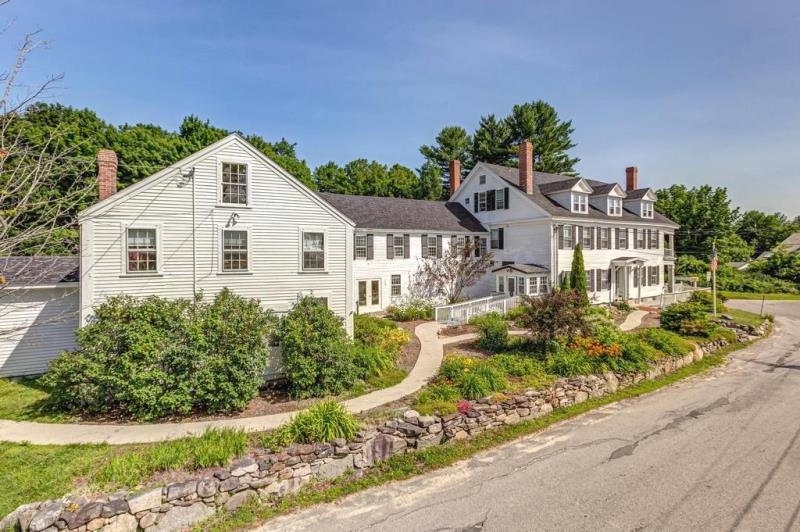
How Do We Treat Alcohol Use Disorder?
Alcohol use disorder affects millions of Americans, their families, and their local communities. Through rehabilitation programs, people can get compassionate care and the tools they need to maintain a sober lifestyle. For many people, this begins with medical detoxification, and while we do not provide this at our facility, we can act as a resource for you to find the right facility and then help you transition into ongoing recovery treatments.
Here at Mountain View Retreat, our team works alongside people who are recovering from Alcohol Use Disorder through our PHP and IOP programs. We offer both in-person and virtual programming, and our team can help with housing needs for both men and women. Throughout these programs, our team works alongside you to provide support, care, and help you transition back to your day-to-day life.
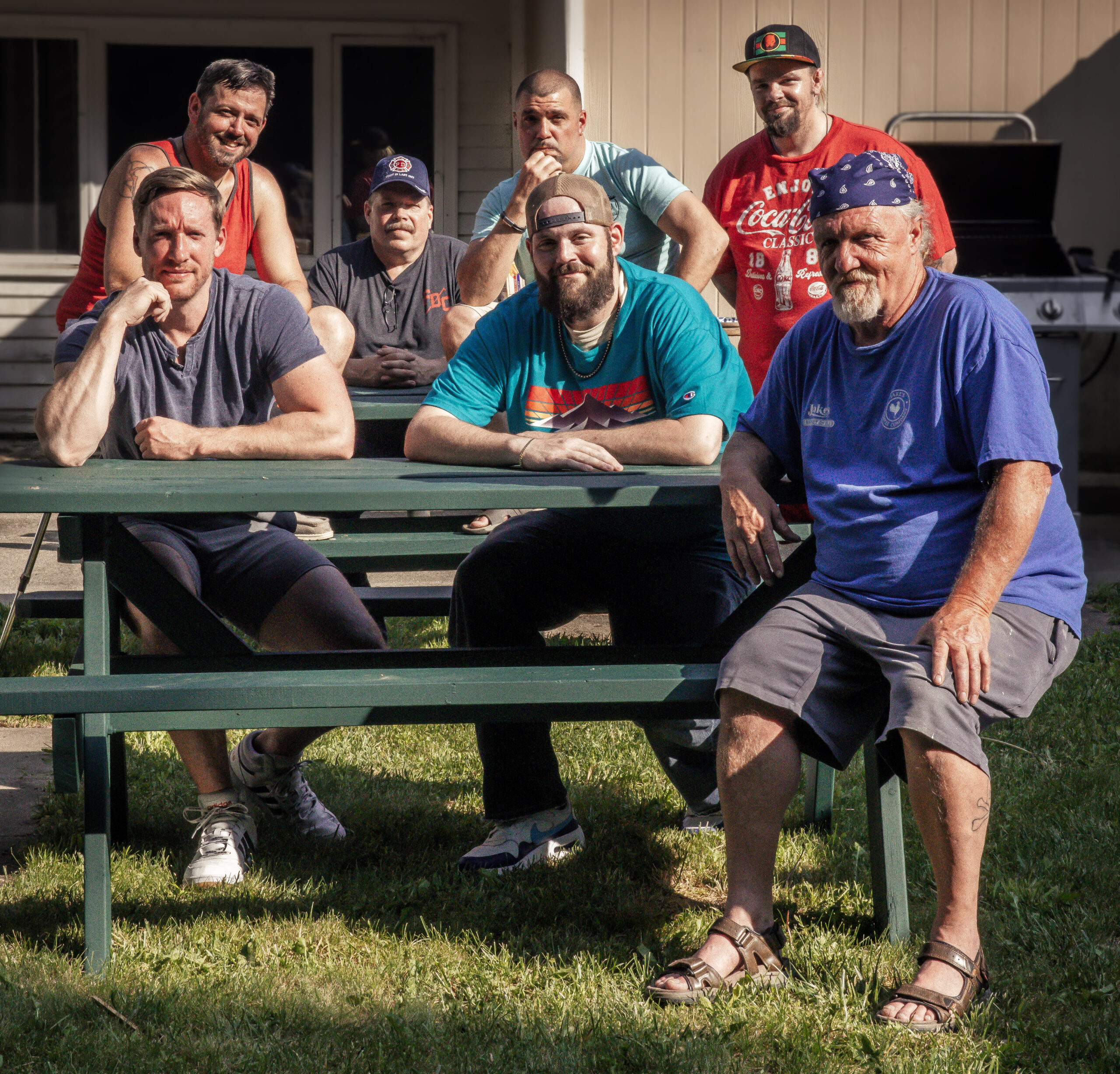
Signs of Alcohol Use Disorder
One of the key struggles of alcohol use disorder is recognizing it. Within the traditional 12-step process used by Alcoholics Anonymous, the first steps focus on acknowledging and accepting that there is a problem. Unlike illegal substances, alcohol is widely used, and it is very common for people who are struggling with alcoholism to ignore it for that reason. Some common signs of alcohol use disorder are when drinking begins to interfere with your life, negatively impacts your physical/mental health, or impacts your job performance or relationships. The National Institute on Alcohol Abuse and Alcoholism recognizes that alcohol use disorder is a spectrum and provides a comprehensive list of common symptoms as well as risk factors. If you are concerned that either you or a loved one is struggling with alcohol use disorder, you can call our 24/7 helpline, and we can help you get the help you need.
Talk To A Member of our Team
Get Answers About PHP/IOP
You don’t have to figure everything out today. Get in touch with our team, and we can discuss your options, verify your insurance, and help you pick a plan that makes sense for your life.
Binge Drinking and Alcohol Use Disorder
Another common issue surrounding alcohol is excessive drinking. While some people may not have alcohol use disorder, recurring binge drinking can put them and others in danger. If you or someone you know consistently drinks more than four drinks in a sitting, struggles to remember what they did after they drank, or worries that they may be drinking too much, treatment can help them as well. Through partial hospitalization programs and intensive outpatient programs, people are given the support and tools they need to overcome addiction and manage their day-to-day lives.
Alcoholism and Genetics
Many scientific studies have proven a link between alcohol use disorder and genetics. Research from the National Institute on Alcohol Abuse and Alcoholism has shown that genetics plays a role in 60% of cases of alcohol use disorder. That said, there is both a nature and a nurture side to that. Oftentimes, children who witnessed their parents’ drinking patterns are influenced by those patterns when they grow up. Likewise, drinking at a younger age greatly impacts the risk of developing alcohol use disorder when you are older. If your family has a history of struggling with alcohol addiction, we can help. Contact our team to discuss care and treatment options.
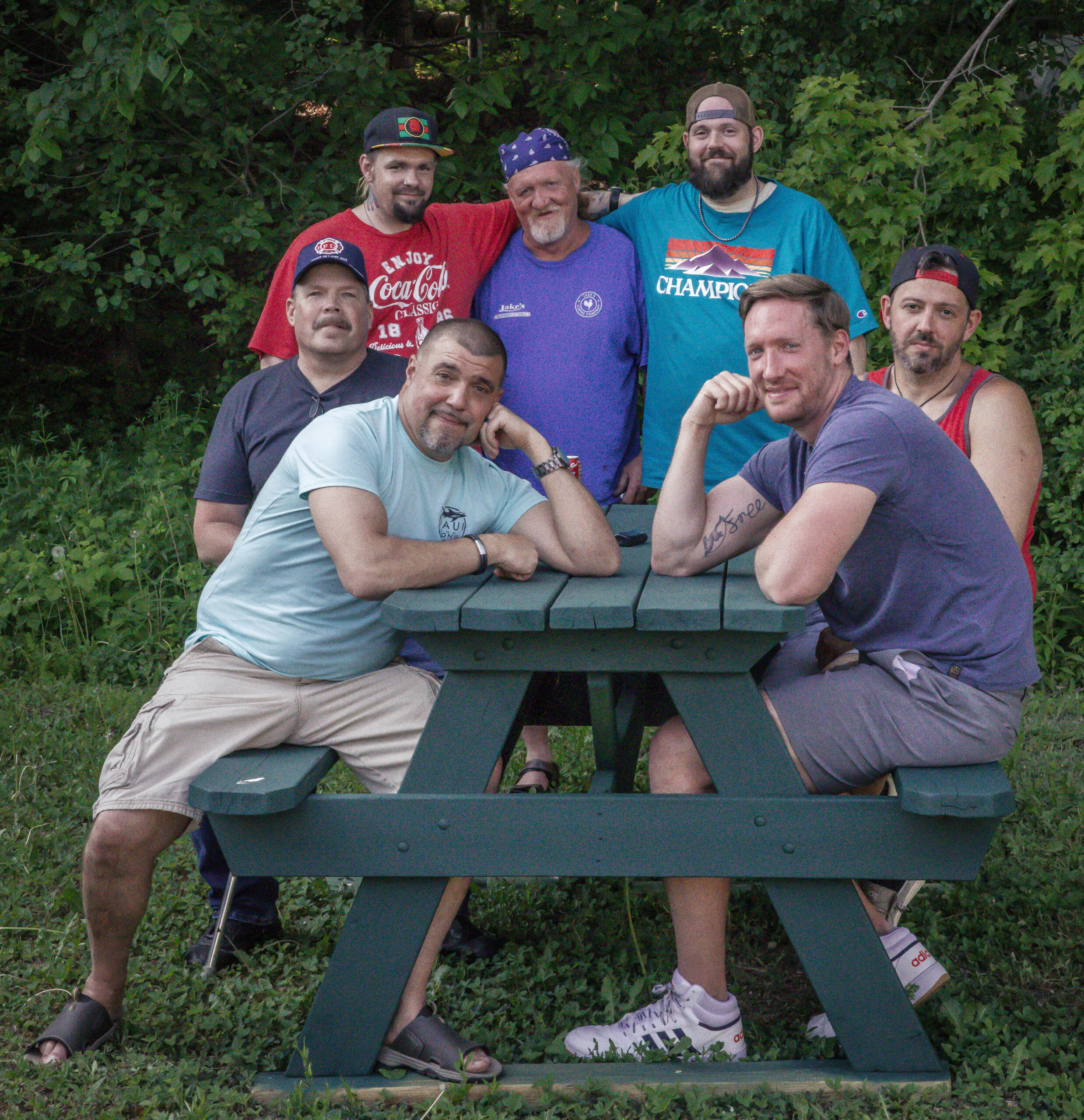
Dual Diagnosis: Mental Health & Alcohol Use Disorder
Vulnerability to alcohol use disorder is also impacted by mental health. Individuals with a history of trauma or who suffer from clinical depression, PTSD (post-traumatic stress disorder), and ADHD (attention deficit hyperactivity disorder) are all at a greater risk of developing alcohol use disorder. Our team is equipped to help people with dual-diagnosis, and we compassionately work with people who are navigating both addiction and mental health concerns simultaneously.
Treatment Options for Alcohol Use Disorder in New Hampshire
As we mentioned, Mountain View Retreat provides both PHP and IOP. We use evidence-based therapies, including CBT and DBT, to help people navigate through recovery and manage their sobriety. The key differences between our programs are the time commitments. Partial Hospitalization Programs provide the most structure and support, with more sessions per week and longer session times. We also help men and women with housing during PHP. By contrast, IOP has fewer sessions and can be done in the morning or afternoon, making it easier to attend while also managing at-home responsibilities. Our team can help you choose the right program and transition to different programming throughout your treatment based on your specific needs. For more information, please contact our team.
Worried about someone you love?
We support families too
If you’re looking for help for a partner, child, or friend, we’ll walk you through options and answer your questions with care.
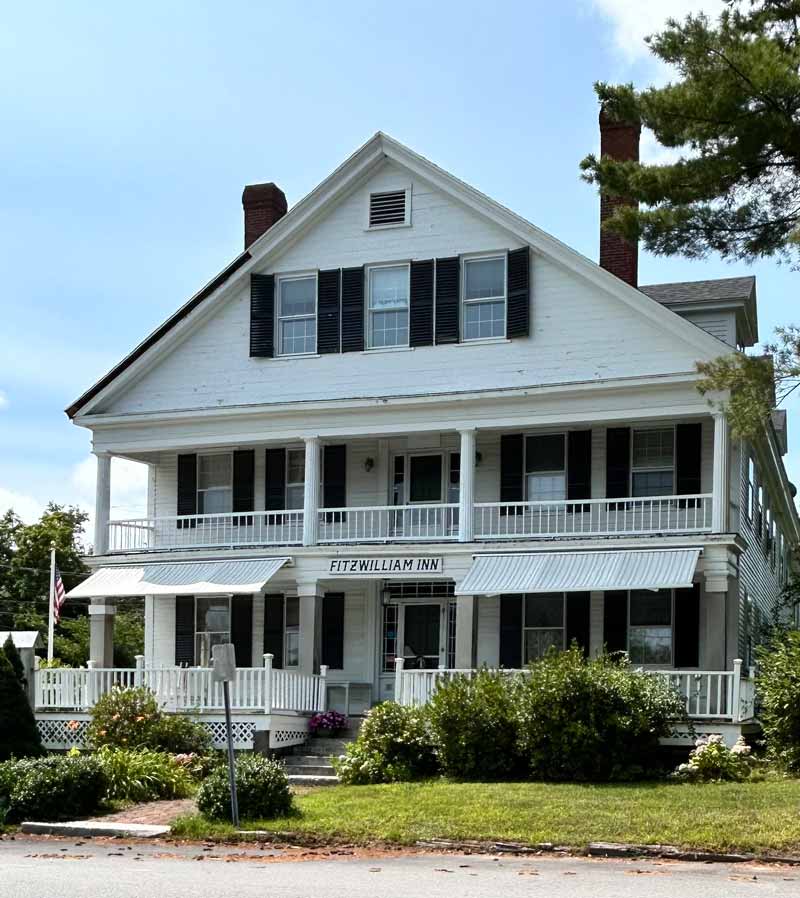
Searching for help in New Hampshire?
Find care near Marlborough
Our programs offer structure, therapy, and support—right here in your community. Call now to check availability and start planning.